This page was last updated on December 23, 2025
December 10, 2025
by Weedwonderland
4 minutes
What To Expect From Hash Withdrawal And Ways To Handle It

Hash (hashish) is a cannabis concentrate that is made from the trichome resin glands of the cannabis plant. As such, hash is frequently more potent than standard cannabis flower due to higher THC content and can lead to both physical and psychological dependence through repeated use. The majority of frequent cannabis users will experience withdrawal symptoms when their use is discontinued or decreased due to the interaction of THC and the body’s endocannabinoid system.
Understanding the type of symptoms that may occur and why they occur is an important part of being a responsible user and making informed decisions.
 While hash withdrawal does not present the risk of life-threatening complications like other substances (e.g., alcohol or opioids), the symptoms experienced can be severe enough to discourage individuals from continuing abstinence and returning to their previous patterns of use.
Is It Possible To Experience Withdrawal After Using Hash?
Yes, hash withdrawal is possible. Although cannabis withdrawal is rarely serious or potentially fatal, it has been officially recognized as a medical condition. Studies have shown that between 30-35% of frequent cannabis users (i.e., those who smoke regularly) reported experiencing at least one symptom of withdrawal upon discontinuing use. However, when looking specifically at frequent or high-dose users, (such as many of those consuming hash), this figure increased to approximately 50%. The reason withdrawal occurs is directly related to how THC affects the endocannabinoid system (the ECS). The ECS is responsible for regulating a variety of physiological processes in the body including mood, sleep, appetite, and stress. Once THC enters the body and binds to cannabinoid receptors throughout the ECS, the body must readjust once the THC leaves the system.Common Hash Withdrawal Symptoms
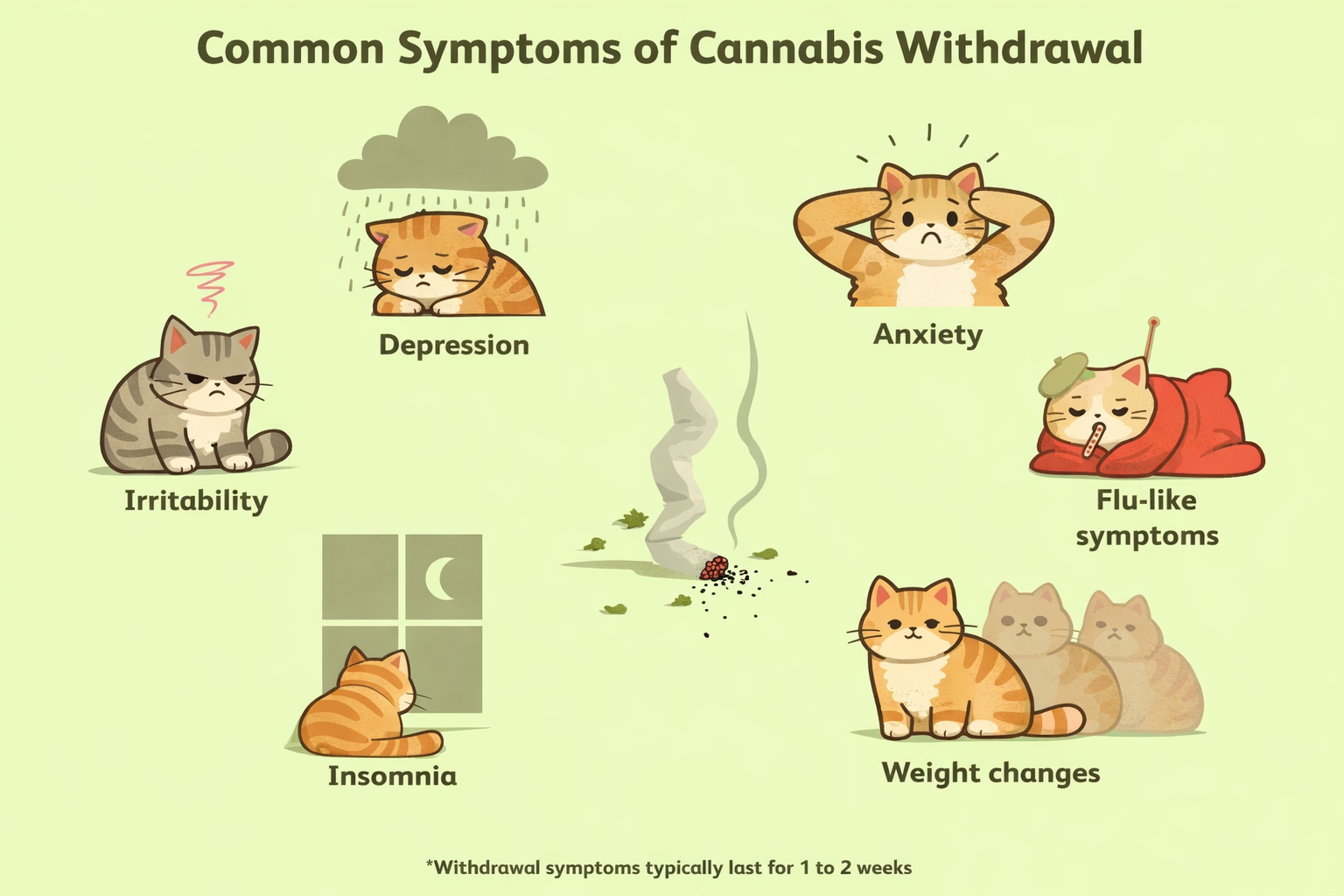
Symptoms associated with hash withdrawal usually develop 24-72 hours after ceasing use, reach a maximum level of severity in the first week, and decrease in frequency and intensity over 1-3 weeks. The most commonly reported symptoms include:- Irritability and mood swings (reported by nearly 40-60% of users)
- Sleep disturbances (including insomnia and vivid dreams), which were reported by approximately 70% of regular cannabis users.
- Anxiety and restlessness (usually mild to moderate but obvious to users).
- Loss of appetite (temporary decrease in appetite).
- Headaches and physical discomfort (sweating, chills, stomach upset, etc.).
- Craving for hash/cannabis (psychological craving reaches maximum intensity in the first week).
Factors Affecting Withdrawal Symptom Intensity
The degree of discomfort that an individual experiences while withdrawing from hash is not universal among all users. The severity of symptoms can be influenced by several factors:- Concentration of THC (hash generally contains higher concentrations of THC than THC flower).
- Duration and frequency of use.
- User’s sensitivity to THC.
- User’s current mental state/stress levels.
- User’s sleep patterns/lifestyle.
Ways to Lessen the Impact of Hash Withdrawal Symptoms
There is no “quick fix” for managing the symptoms of hash withdrawal. Many individuals find relief through the use of support strategies, such as:- Gradually decreasing the amount of hash consumed rather than quitting abruptly.
- Staying hydrated and maintaining a balanced diet.
- Engaging in regular light exercise which stimulates the brain to naturally produce dopamine.
- Maintaining good sleep hygiene (establishing a consistent bedtime routine, avoiding screens before bed, etc.)
- Consuming CBD products that users report assist in reducing anxiety and improving sleep without causing intoxication.
- Practicing mindfulness or deep breathing techniques to alleviate irritation and anxiety.
Seeking Additional Support
If the withdrawal symptoms are extremely distressing or are interfering with the normal functioning of day-to-day life; if the symptoms result in significant feelings of anxiety or depression, then consulting with a healthcare professional may be beneficial. Receiving support does not indicate a failure to abstain, but rather a desire to maintain your well-being.Final Thoughts
Hash withdrawal is real, temporary, and manageable. Educating yourself regarding the effects of cannabis products, including hash, on the body will eliminate unnecessary fear and stigmatization surrounding the decision to cease or modify your cannabis use. For the majority of users, withdrawal represents a minor, short-term readjustment period for the body to regain equilibrium. Weed Wonderland believes that education is equally as important as access. Education will enable users to make better-informed, wiser, and more confident decisions regarding the use of cannabis products, including hash. Whether you are contemplating modifying your cannabis use or are interested in learning more about cannabis use and/or education across the UK, please follow our blog for reliable evidence-based information and responsibly sourced cannabis education.

Blog categories
- All categories
- Cannabis and Creativity
- Cannabis cultivation
- Cannabis drug test
- Cannabis holiday
- Cannabis Oil
- Cannabis scams in UK
- Cannabis Tea
- Cannabis traveling
- Cannabis Treatment
- Cannabis wax in UK
- CBD
- Effects of Weed Strains UK
- For Beginners
- Halloween cannabis
- Hash in UK
- High octane strain
- Homemade weed
- Low octane strain
- Pre-rolled joints in UK
- Sativa Strain
- THC Flowers in UK
- THC in UK
- THC vape in UK
- Vape
- Weed accessories
- Weed and health
- Weed Edibles in UK
- Weed in UK
Website Updates

03.07.2026
We Got Hit Again — Here’s What Happened, What We Fixed, and Why You Can Always Reach Us


You can purchase Weed from Weed Wonderland in the cities listed below: